


Bahá’í Development Efforts
Bahá’ís live and work alongside others in more than 100,000 localities spread across almost every country and territory of the globe. Viewed together, they can be said to represent the diversity of the entire human race.
Wherever they reside, Bahá’í families and their friends engage in efforts to draw insights from the Bahá’í teachings and apply them to the spiritual and material progress of their communities. In a mode characterized by a willingness to learn, and without claiming exclusive understanding of truth, they work to contribute to a process of community building in which all are free to participate, regardless of religious background, social standing, gender, race, or ethnicity. They strive to cultivate hope for the future of humanity, to foster purposeful effort, and to celebrate the endeavors of all those in the world who work to promote unity and alleviate human suffering.

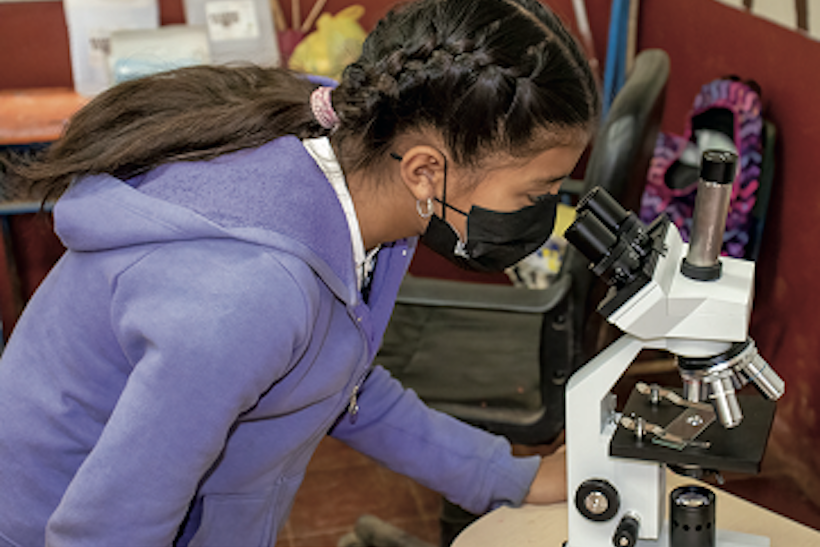
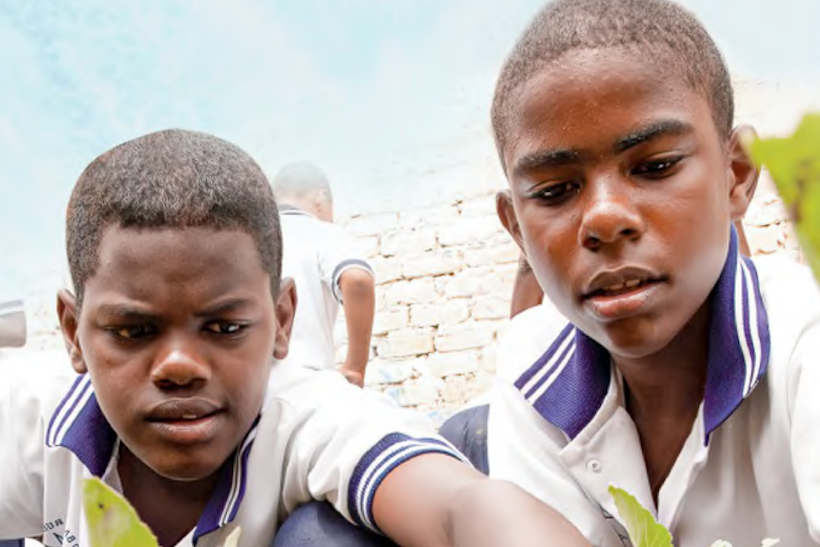
Among the efforts that Bahá’ís carry out, together with collaborators from all walks of life, are those aimed at the social and economic development of the communities and nations of which they are a part. Such activities comprise a broad spectrum, ranging from simple grassroots initiatives of limited duration undertaken by individuals or small groups of friends to programs of social and economic development with a high level of sophistication implemented by Bahá’í-inspired development organizations. The section titled A Spectrum of Bahá’í Development Initiatives, provides an illustration of development activities at different points along the spectrum and discusses how such endeavors emerge.

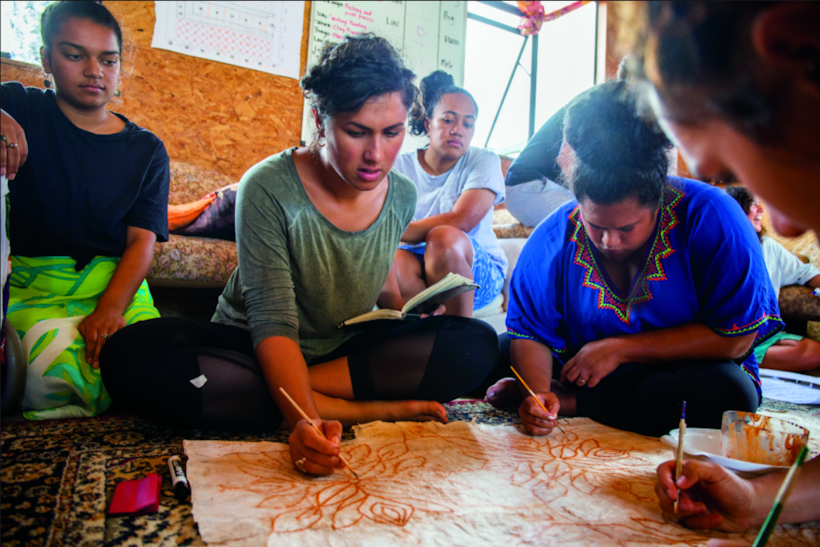
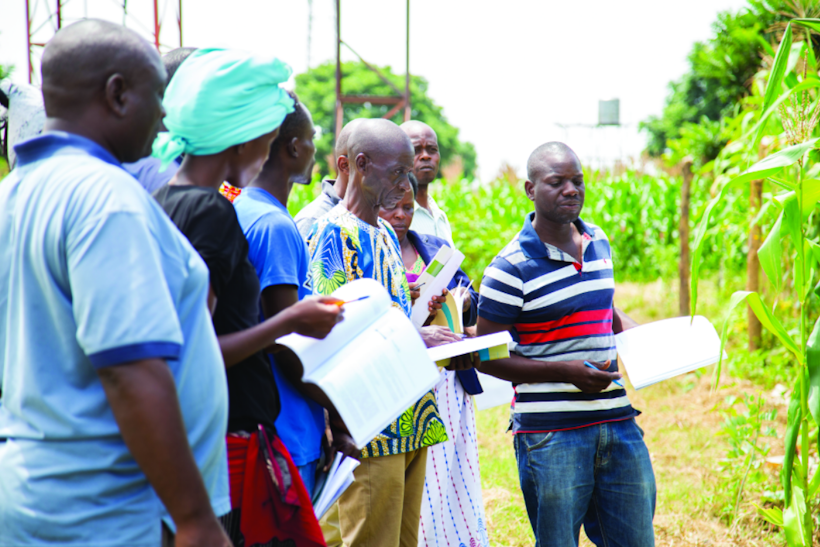
Regardless of where along the spectrum they fall, all instances of social action represent an attempt to apply concepts and principles from the Bahá’í teachings to improve some aspect of the material life of society. They represent responses to the needs of the particular communities or societies in which they are initiated. As such, they may be related to one or more areas, including education, agriculture, the environment, arts and media, health, the local economy, the advancement of women, and humanitarian relief. The section Areas of Action, while by no means exhaustive, offers an introductory glance into endeavors unfolding in a number of such areas.