

Humanitarian Relief
As humanitarian crises of various kinds proliferate, Bahá’í communities are stirred to put into practice Bahá’u’lláh’s call for all human beings to be “an answerer of the cry of the needy”, “a balm to the suffering”, “a home for the stranger”, and “an upholder and defender of the victim of oppression”.
In different parts of the world, individuals, communities, and institutions are learning about how the community-building efforts fostered by the Bahá’í community can contribute to greater resilience and can cultivate certain capacities that are also essential during times of acute peril. Some of these capacities, for instance, include engaging in disinterested service to society, facilitating collective action, enhancing collaboration among diverse actors, operating in a learning mode, and devising solutions based on spiritual principles and scientific knowledge.
At the level of approach, the work of the Bahá’í community in the area of humanitarian relief falls under three related categories: relief, recovery, and sustained development endeavors. A global body of knowledge is gradually accumulating as populations learn to exercise these capacities in the wake of disasters such as floods and earthquakes, food shortages, war, and the health crises. Insights are also being gained around how the existence of institutional arrangements, an organic outcome of a vibrant pattern of community life, have facilitated rapid, coordinated action, and have proven to be a source of stability and security. In some instances, communities that have gained a considerable degree of experience in disaster relief have also extended their efforts to rehabilitation and incorporated various risk reduction measures into their regular activities. At the international level, the Bahá’í International Development Organization coordinates efforts in this area and helps systematize the knowledge being gained.
“The stronger the ties of fellowship and solidarity amongst men, the greater will be the power of constructiveness and accomplishment in all the planes of human activity.”
—‘Abdu’l-Bahá
Resilience as an expression of cohesion
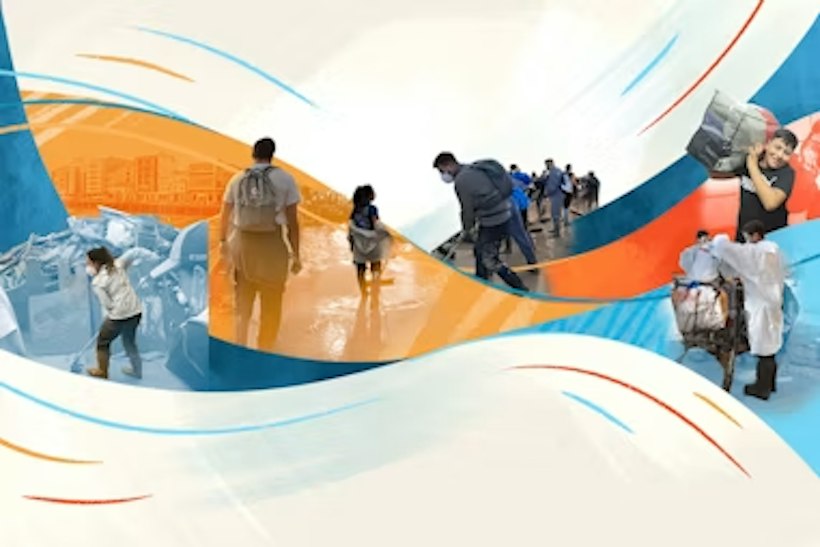
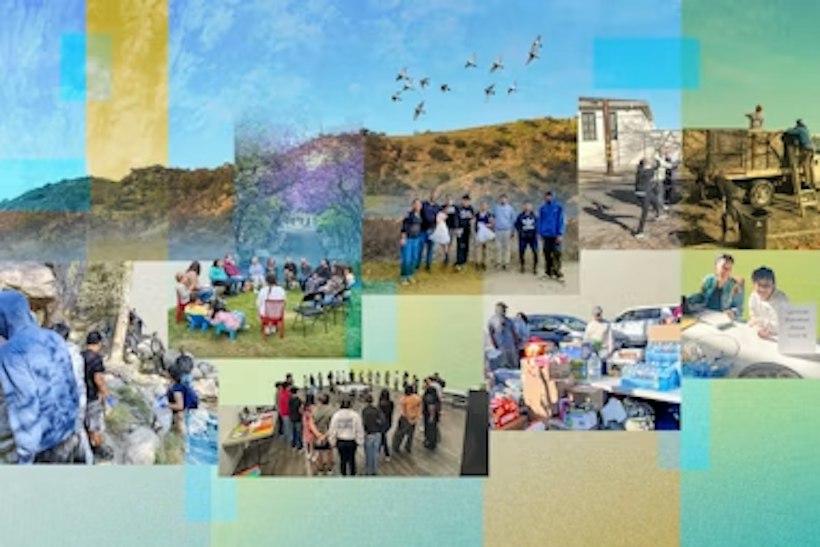
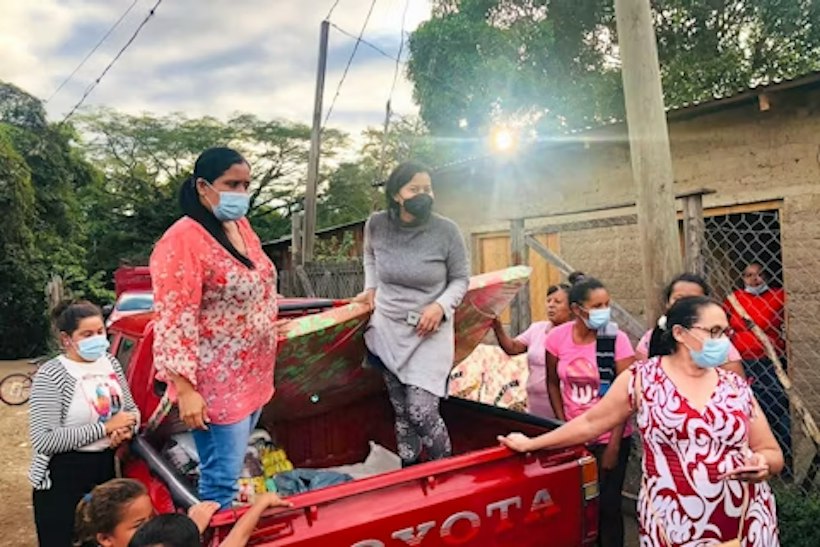
Numerous accounts from around the world are emerging from communities channeling a spirit of service and collective action in the wake of disaster. In both Malaysia and Mozambique, for instance, when heavy rainfall caused severe flooding, local Bahá’í institutions moved to action, using Bahá’í centers as hubs for the collection and distribution of food, clothing, cleaning materials, and other essentials, while families opened their homes as shelters throughout the country. The networks that had already been established through the pattern of activity under way also served as a channel for youth to collaborate and act swiftly to provide various forms of relief. One member of a local Bahá’í institution commented: “Many people now see themselves as part of an extended family, and not just as strangers, friends, or acquaintances who happen to live next to one another.” Additionally, the culture of consultation that has emerged over time assisted communities to plan, act, and collaborate with other organizations of civil society.
Ongoing activities aimed at the spiritual empowerment of youth have given young people experience with fostering cooperation and a sense of shared endeavor, which have proven to be critical capacities during times of need. After an explosion in Beirut, Lebanon, youth participating in these programs felt a sense of urgency to take action and quickly met to make plans for assisting with relief and recovery. At first they were just ten individuals, but their efforts rapidly inspired some 80 volunteers of different ages and backgrounds to offer assistance, whether in the form of preparing meals, arranging clothing donations, or helping to clean damaged properties. Prayer gatherings were also arranged. Many who joined commented on how such spaces not only strengthened social ties, but also provided hope and made the participants feel more resilient.