

Advancement of Women
The equality of women and men is another cardinal principle of the Bahá’í Faith. “The world of humanity has two wings—one is women and the other men,” ‘Abdu’l-Bahá wrote. “Not until both wings are equally developed can the bird fly.”
Intrinsic to every instance of social action undertaken by Bahá’ís, regardless of the area of action, is a commitment to the goal of ensuring that women and men are allowed to advance shoulder to shoulder in all fields of human endeavor—scientific, political, economic, social, and cultural. In addition, certain programs have focused specifically on the advancement of women by, for instance, providing education to women and girls to assist them to take their rightful place in society, striving to eliminate prejudices against women, and establishing mechanisms to protect their well-being.
At the grassroots, Bahá’ís strive to increase the participation of women and girls in educational programs as students and participants, teachers and tutors, and coordinators and directors. These efforts have contributed to enhancing the role of women and changing attitudes in villages and neighborhoods. In a locality in Cambodia, for instance, it used to be that preference was given for boys to attend school, and they would consequently receive higher levels of education than girls. Some years ago, in one of the communities in this area, the first girl to attend secondary school was assisted to do so by an older youth facilitating a junior youth group in which she was a participant. As the community’s awareness of the inherent equality of women and men grew through the activities of the Bahá’í community and a rising consciousness in society at large, it gradually became common practice for all girls in the village to receive formal education, with several now having received tertiary education and adopted prominent roles in the community.
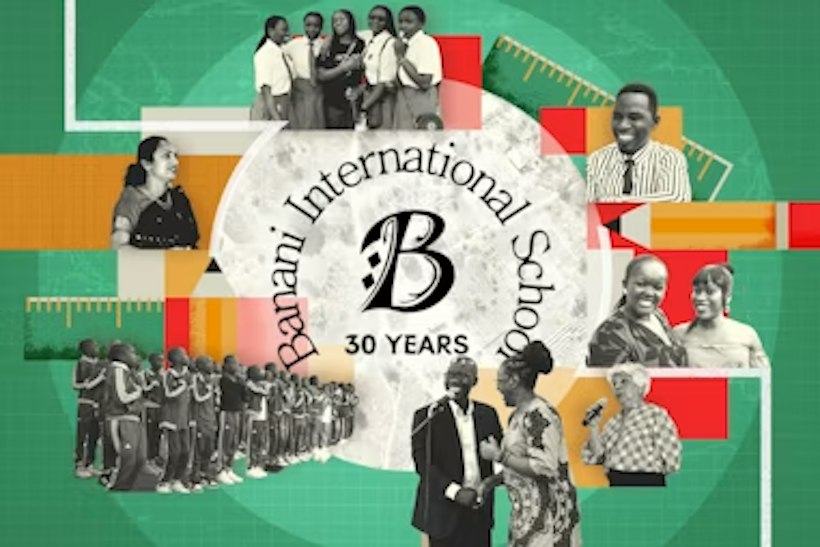
There are also sustained projects that aim to provide high quality academic education to girls and women. Banani International School in Zambia offers secondary education to young women of diverse ethnic, cultural, and religious backgrounds to assist them to acquire a global vision as well as the capacity to act locally to address the needs of the community in which they live. Starfish International in The Gambia provides scholarships and supplemental education to girls in high school, with the aim of empowering Gambian girls by providing them with an advanced education that is focused on service to humanity. The young women who are part of its program are assisted to pursue a trade or craft and to offer tutoring to younger students. A portion of the funds they receive through their efforts is used to support individuals in the community to carry out an initiative for the common good.
The Barli Development Institute for Rural Women in India was established in 1985 with the aim of empowering rural and tribal women to become agents of social change in their communities. The Institute offers a free six-month residential training program each year to 260 women with limited ability to read and write in areas including literacy moral leadership, nutrition and health, environmental conservation, and income generation. It also builds the capacity of a smaller group of women who have received secondary education to facilitate similar training in extension centers. Recognizing that attitudinal change on the part of husbands, parents, children, grassroots leaders, local institutions, and other members of the community is equally essential to the process of empowering women, the Institute continues to visit the villages of former participants and conducts conferences and meetings as well as short-term courses. Close to 10,000 women from approximately 800 villages of Madhya Pradesh and other parts of the country have thus far taken part in the Institute’s program.
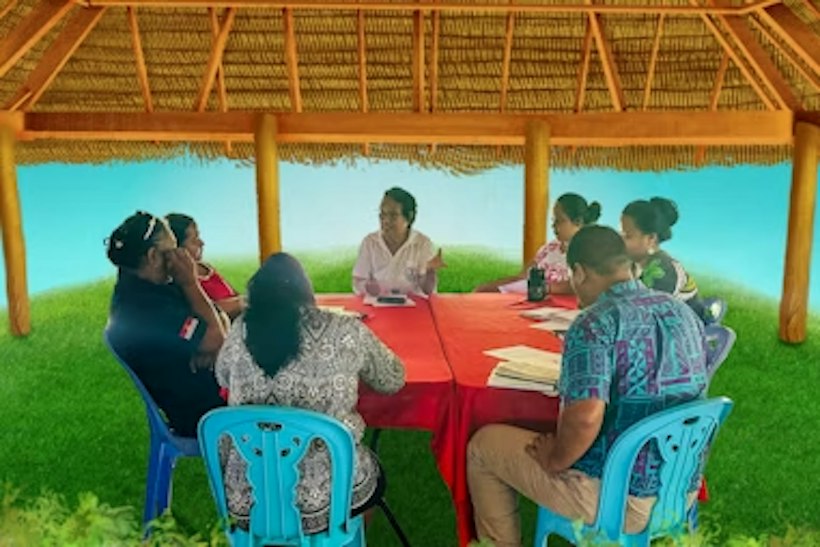
Dialogues with various civil society actors have also served as opportunities to raise awareness and contribute to change in culture. The Bahá’í community in Tunisia, for instance, arranged a gathering with various religious and civil society leaders to discuss the advancement of women and to explore how to foster a culture of cooperation within family structures as well as in all spheres of society.