

In the wake of the global pandemic caused by the coronavirus, existing systems around the world were tested in unprecedented ways at all levels and across all sectors of society. Against this backdrop, individuals, communities, and institutions have been learning how to alleviate the suffering so prevalent in society. Across diverse settings, the Bahá’í community, working shoulder to shoulder with those in the localities in which they reside, became even more deeply engaged in the life of society and devised a range of responses, from simple to complex. In many instances, local Bahá’í institutions responded swiftly to the needs of communities and developed greater capacity to engage with government and civil society actors to provide pandemic relief.
Collaboration at all levels of society
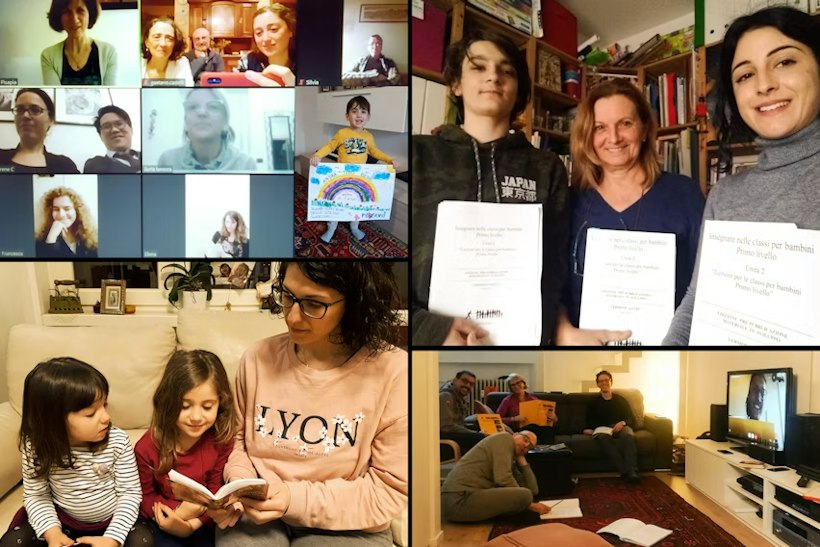
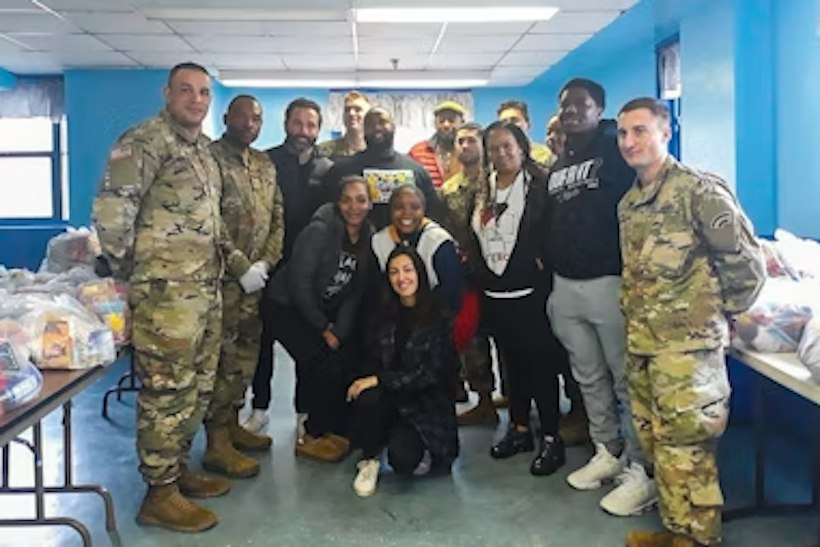
Numerous accounts have been received from around the world of young adolescents devising creative responses to the pandemic. In the United States, for instance, a group of youth in a suburb in New York City coordinated an effort with the board of education and vendors in the area to donate meals to children whose primary source of food each day was no longer available due to school closures. They arranged for the community room in their apartment complex to be made available as a distribution point, with measures to ensure physical distancing and sanitation. Youth in Italy explored how to use online platforms to offer songs and artistic presentations as well as to create a space to reflect on meaningful themes and connect when in-person gatherings were not possible.
The capacity of Bahá’í institutions to mobilize and channel local resources and collaborate with other local entities has been instrumental in relieving the suffering of many communities. One local Bahá’í institution in India, for instance, approached farmers who were throwing away their produce owing to limited access to markets during the pandemic and distributed these food items to families in need. The institution also collaborated with the village head and local health workers to organize a medical health camp and distribute medicine. In Myanmar, a national Bahá’í institution, with the help of local and regional Bahá’í institutions, identified a list of some 1,000 individuals facing economic hardship owing to the pandemic and worked to respond to their immediate needs by making funds available through suitable channels.
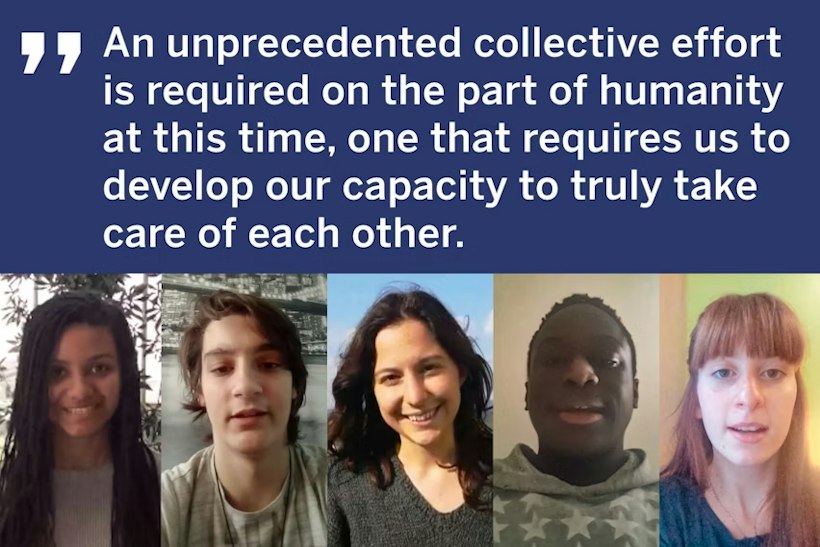
“However difficult matters are at present, and however close to the limits of their endurance some sections of societies are brought, humanity will ultimately pass through this ordeal, and it will emerge on the other side with greater insight and with a deeper appreciation of its inherent oneness and interdependence.”
—The Universal House of Justice
Many Bahá’í communities worldwide also established funds for humanitarian relief at the neighborhood or village level, and when local means were exhausted, regional and national resources were sought. Some established national, regional, and local task forces, with doctors and nurses, to coordinate pandemic relief efforts. Some of these task forces formed sub-committees to focus on ways to alleviate economic, educational, or medical needs. In India, local task forces divided their jurisdictions into sectors and contacted as many families as possible in each to determine the nature of assistance required—such as food, medicine or financial support—and encouraged those with means to contribute to local funds that others in need could draw upon. In order to channel resources effectively, task forces in Ecuador identified families based on the nature of support required. Resources aimed at preventing the spread of the virus were shared with the whole community, and steps were taken to support families who lost their sources of income by providing food items or helping them to apply for other schemes made available by government agencies or non-governmental organizations. Those who faced health issues were assisted to access healthcare. In places where healthcare was not available, the task forces ensured that friends could receive medical advice from a group of Bahá’í doctors via telephone. In Iraq, the national Bahá’í institution formed a task force whose members included health professionals. The taskforce worked to provide individuals with reliable information and health support if needed. It also offered weekly online educational gatherings focusing on themes that were relevant to the pandemic. One task force that was formed to channel resources and connect people in Honduras during the pandemic has since proven to be an essential mechanism in responding to other crises, such as hurricanes.
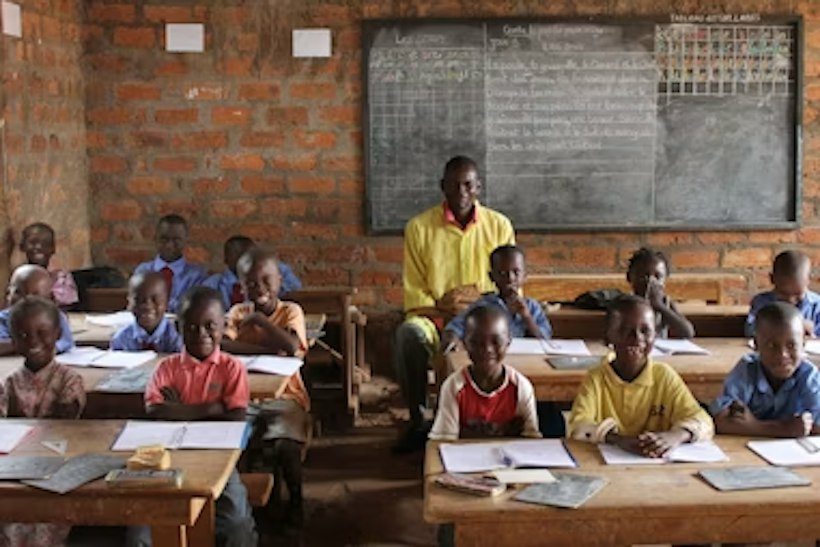
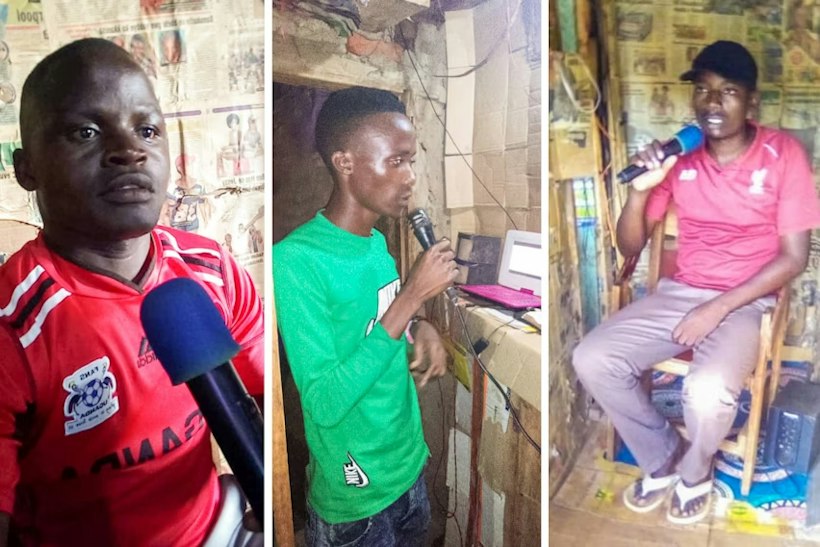
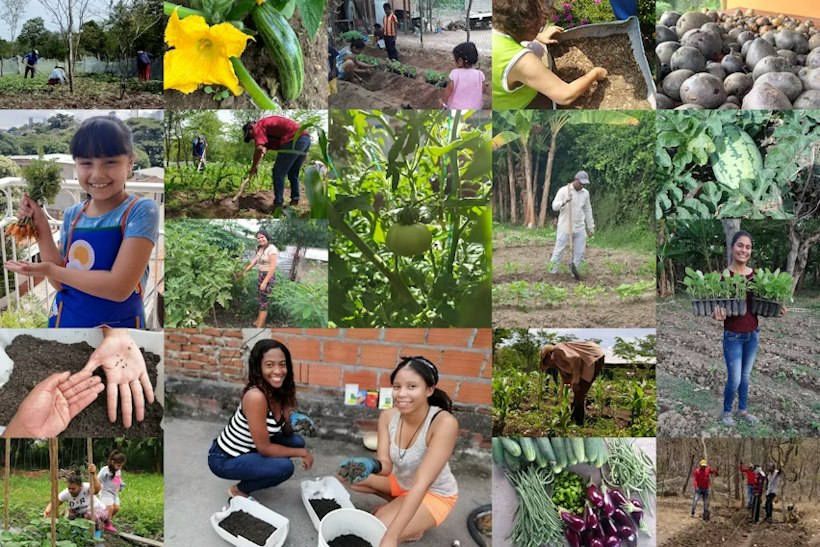
Many Bahá’í-inspired organizations also responded to the challenges caused by the pandemic as their circumstances allowed. The Kimanya-Ngeyo Foundation in Uganda, for instance, took steps to address food shortages by working with youth who had participated in their capacity-building programs to initiate hundreds of backyard gardens. Bahá’í radio stations in places such as the Philippines contributed to bringing hope and joy to listeners by broadcasting uplifting stories, which in some cases inspired listeners to support others, or by offering educational lessons for children whose schools had been closed. Organizations involved with community schools began by trying to understand the reality facing students, teachers, and families. For instance, a number of organizations maintained regular telephone meetings with each teacher to understand their circumstances and those of their students. Other organizations created opportunities for school founders to exchange insights and experience, and teachers conducted regular visits to families while applying appropriate health measures. In Malawi, where families were already working on plots to grow food for teachers and students prior to the pandemic, some schools prepared lists of all the children in their community to ensure that no child was overlooked, and arranged video or phone calls, messaging check-ins, or regular visits by teachers who lived in the neighborhood. In the Central African Republic, teachers began to hold decentralized classes in the homes of families, which also created an opportunity for parents to take on a more active role in the spiritual and intellectual education of their children.
Critical to the effectiveness of these efforts was the ability of those involved to engage relevant government agencies and other entities in society. In Chile, a program was prepared by the Bahá’í community in partnership with the Chilean Association for Interreligious Dialogue for a national media outlet to explore how faith can inspire hope in responding constructively to the health crisis. Around the world, including in Jordan and Spain, members of the Bahá’í community engaged in conversations with journalists and other social actors about the media’s important role in responding to the pandemic.