

A group of junior youth in Cambodia consulted on how to support their family members who were struggling financially after losing their means of livelihood. To address the issue, they first made observations about the patterns of life in their community. One reflection that emerged as a result was that some families in their village had orange trees that only produced fruit once in a year, and, when harvesting season was over, income would be scarce until the next harvest. To respond to this challenge, the youngsters investigated various crops and decided that diverse types of produce could be cultivated together in complementarity with the orange trees.
The group of friends consulted with community members in their village, including parents and other farmers, who offered help to sow seeds and transplant saplings. The youth learned that eggplants, bananas, coconuts, and cucumbers, among others, could grow well side by side. Over time, the assortment of crops grown together with the orange trees became productive and the parents of the group joined together to share planting experience at community gatherings. These initial efforts were observed by others in the village, who also learned to apply the same techniques from the successful farming plots. As the community saw the benefits of this approach, its members considered their own contributions to their locality and also appreciated the important role that young people play, reflecting on ways to give encouragement to junior youth.
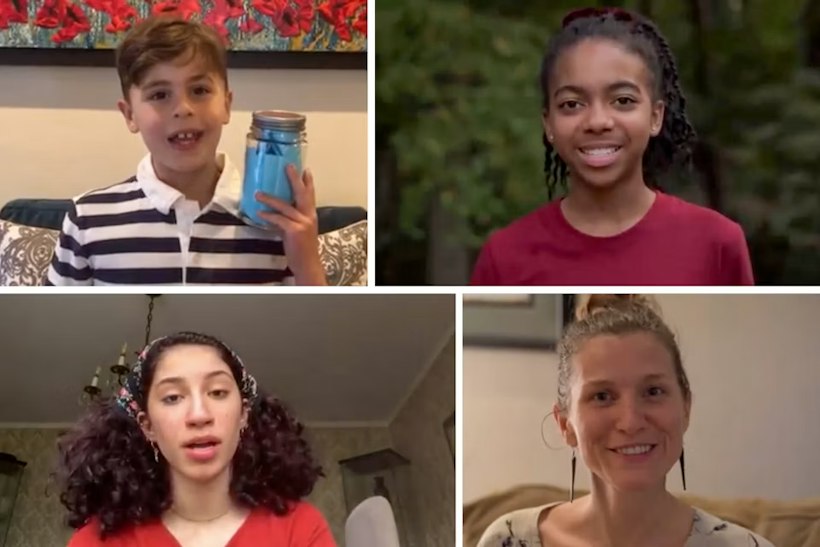
In Canada, a group of young people, inspired by their study of materials of the junior youth spiritual empowerment program, which fostered an appreciation for the world’s natural resources, decided to take steps to support sustainable water consumption in their neighborhood. Recognizing the need to make accurate observations, they had conversations with various community members and local businesses to understand how water was being used in their locality. Based on these discussions, they researched ways in which water could be conserved and how water leaks could be identified. They made flyers and posters with their findings and went back to members of the community to continue the conversations. Parents of the youngsters noted that this process of striving to apply scientific and spiritual principles toward a challenge facing their community helped to enhance a love for learning in their children.
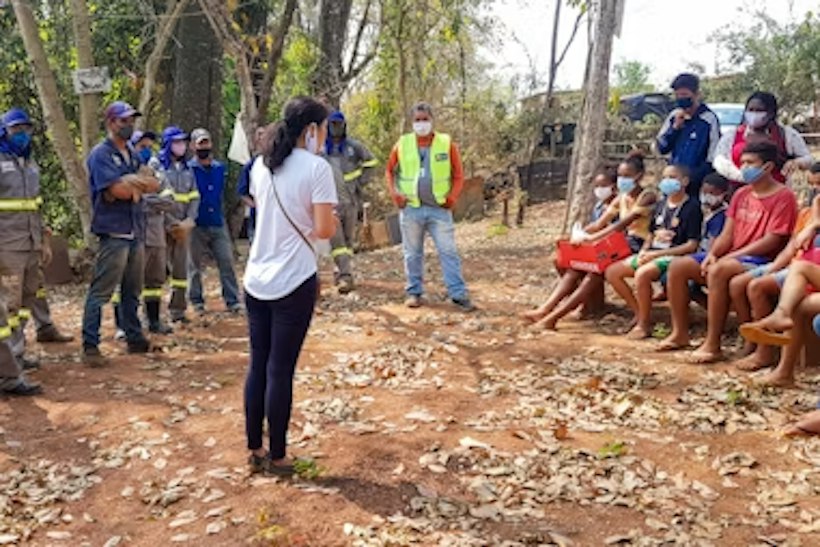
In the Democratic Republic of the Congo, a group of young people considered the importance of a natural fountain which served as a source of water to the local community for cooking, washing clothes and dishes, and bathing. They realized that, after much usage, a great deal of mud was accumulating, and wild grass and stumps created obstacles along the path leading to the fountain. During a session of their group, 35 junior youth decided to improve the conditions of the fountain as a service to the community. Arrangements were made with parents and neighborhood residents who contributed shovels, dustpans, rakes, and other supplies. The residents praised the initiative of the young people for bringing the community together toward a noble goal and recognized the enduring impact of this effort to ensure access to drinking water. A monthly system to maintain the fountain was also devised to ensure more consistent water supply amongst the residents.